
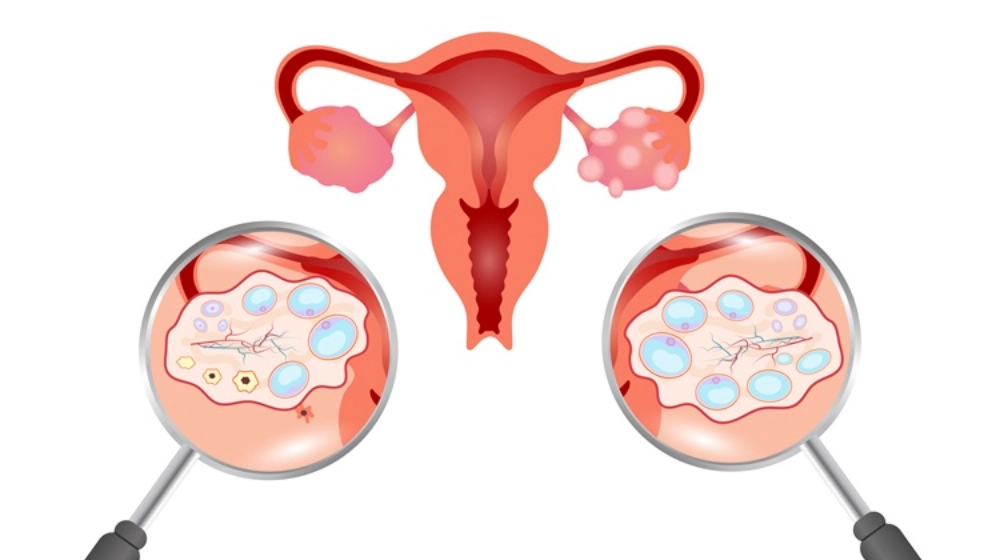
If you have PCOS, one of the first questions you may ask is whether it can be cured permanently.
The medically accurate answer is no.
There is currently no treatment that permanently removes the underlying tendency toward PCOS. However, many of its effects can be managed very effectively.
With appropriate treatment, some women experience:
· more regular menstrual cycles
· more consistent ovulation
· improvement in acne or excess hair growth
· better metabolic health
· easier weight management when weight is a relevant issue
· improved chances of pregnancy
So while PCOS cannot be “cured” in the same way an infection can be eliminated, it can often be controlled to the point that symptoms become much less disruptive.
In 2026, international experts also introduced the name polyendocrine metabolic ovarian syndrome, or PMOS, to better reflect that the condition involves more than the ovaries. However, the term PCOS is still widely used by patients and clinicians.
Can PCOS Be Cured Permanently?
No currently available medicine, diet, supplement or surgery has been proven to permanently cure PCOS.
The condition is influenced by several interacting factors, including:
· genetics
· androgen levels
· insulin resistance in some women
· ovarian function
· metabolic health
· reproductive hormones
· individual lifestyle factors
Because these underlying tendencies can persist, symptoms can return even after a long period of improvement.
This is why modern treatment focuses on long-term management rather than permanent cure.
What Does “Reversing PCOS” Actually Mean?
The phrase “reverse PCOS” is commonly used online, but it can be misleading.
What people usually mean is that certain features improve.
For example:
· periods become more regular
· ovulation resumes
· acne improves
· excess hair becomes easier to manage
· blood sugar control improves
· pregnancy becomes easier to achieve
That is meaningful improvement, but it does not necessarily mean the underlying syndrome has disappeared permanently.
A more accurate term is PCOS remission or good symptom control, depending on the individual situation.
What Is PCOS?
PCOS is a complex hormonal and metabolic condition.
It can affect:
· menstrual cycles
· androgen levels
· skin and hair
· insulin sensitivity
· weight in some women
· emotional wellbeing
Not everyone with PCOS has the same combination of symptoms.
Some women have irregular periods and difficulty ovulating.
Others may have regular periods but high androgen levels.
Some are lean.
Others have overweight or obesity.
This variability is one reason a single “PCOS cure” does not exist.
How Is PCOS Diagnosed?
PCOS is not diagnosed by ultrasound alone.
Diagnosis is generally based on a combination of features such as:
· irregular or absent ovulation
· clinical or biochemical signs of excess androgens
· characteristic ovarian findings when relevant
Other hormonal conditions may need to be excluded before diagnosis.
In adults, current international guidance also allows AMH to be used in some diagnostic pathways as an alternative to ultrasound, but it should not be used as a standalone self-test.
A proper diagnosis matters because conditions such as thyroid disease, high prolactin and other endocrine disorders can produce similar symptoms.
Does Everyone With PCOS Need the Same Treatment?
No.
PCOS treatment depends on the main problem you want to address.
For one patient, the priority may be:
· irregular periods
For another:
· acne
· excess facial hair
· metabolic problems
· fertility
· weight management
· long-term endometrial protection
This is why treatment should be personalised.
Can Lifestyle Changes Improve PCOS?
Yes.
Lifestyle management is considered a core part of PCOS care.
But it should not be presented as a punishment or as proof that PCOS is caused by lifestyle.
PCOS has a strong biological component.
Healthy habits can help improve metabolic and reproductive function, but they do not remove the condition.
Useful areas include:
· regular physical activity
· adequate sleep
· reducing smoking
· limiting excessive alcohol
· maintaining a sustainable energy balance
The goal should be long-term health rather than extreme dieting.
What Is the Best Diet for PCOS?
There is no single scientifically proven “PCOS diet” that works best for everyone.
Current international guidance does not support one specific diet composition as universally superior.
A practical eating pattern usually emphasises:
· vegetables
· fruits
· whole grains
· legumes
· adequate protein
· nuts and seeds
· unsaturated fats
· minimally processed foods
It may also help to limit frequent intake of:
· sugar-sweetened drinks
· highly refined carbohydrates
· heavily processed snacks
· excessive added sugar
The aim is not to eliminate carbohydrates.
Carbohydrates can be part of a healthy PCOS diet.
Instead, focus on fibre-rich, minimally processed carbohydrate sources and pair them with protein and healthy fats.
Do You Need a Low-Carb Diet for PCOS?
Not necessarily.
Some women find a lower-carbohydrate pattern easier for blood sugar control, while others do well with a balanced Mediterranean-style or other healthy diet.
There is no evidence that every woman with PCOS must follow a ketogenic or very low-carbohydrate diet.
The best approach is one that:
· meets nutritional needs
· is sustainable
· supports metabolic health
· does not cause unnecessary restriction
· fits your preferences and culture
Should You Avoid Dairy or Gluten?
Not automatically.
There is no good evidence that all women with PCOS need to avoid dairy or gluten.
Gluten avoidance is appropriate for people with conditions such as coeliac disease or another medically identified intolerance.
Likewise, dairy can be included if tolerated.
Removing major food groups without a clear reason can make a diet unnecessarily restrictive.
What Exercise Is Best for PCOS?
There is no single best workout.
A combination of aerobic and resistance exercise can support:
· insulin sensitivity
· cardiovascular fitness
· mood
· muscle health
· metabolic health
Examples include:
· brisk walking
· cycling
· swimming
· strength training
· jogging
· yoga
· resistance exercises
Consistency matters more than choosing one special “PCOS workout.”
Current guidance generally encourages regular physical activity based on standard adult health recommendations.
Is Intense Exercise Bad for PCOS?
Not automatically.
Claims that hard exercise raises cortisol and therefore worsens PCOS in everyone are too simplistic.
Exercise intensity should match your:
· fitness level
· nutritional intake
· recovery
· menstrual pattern
· medical history
Excessive training combined with inadequate energy intake can disrupt reproductive hormones, but appropriately programmed vigorous exercise can be healthy.
Does Weight Loss Cure PCOS?
No.
Weight loss does not cure PCOS.
However, in women with overweight or obesity, modest weight reduction can improve:
· insulin sensitivity
· ovulation
· cycle regularity
· metabolic health
Some women also experience improved fertility.
But PCOS also affects women who are lean, and weight loss is not an appropriate treatment goal for everyone.
Modern PCOS care should avoid assuming that every symptom is caused by body weight.
Can PCOS Improve Without Weight Loss?
Yes.
Healthy eating and exercise can improve metabolic health even when body weight changes very little.
Benefits can include:
· improved fitness
· better insulin sensitivity
· improved cardiovascular health
· better mental wellbeing
Treatment success should therefore not be measured only by the number on a scale.
Does Sleep Matter in PCOS?
Yes.
Poor sleep can worsen metabolic health and wellbeing.
Women with PCOS also have an increased risk of sleep-disordered breathing, including obstructive sleep apnea.
If you have:
· loud snoring
· waking unrefreshed
· daytime sleepiness
· witnessed pauses in breathing
discuss these symptoms with your doctor.
Does Stress Cause PCOS?
No.
Stress does not cause PCOS by itself.
However, chronic stress can affect sleep, eating patterns, emotional wellbeing and overall health.
Stress-management strategies such as:
· mindfulness
· relaxation techniques
· regular exercise
· adequate sleep
may support overall wellbeing.
They should be viewed as supportive care rather than a cure for PCOS.
Which Medicines Are Used for PCOS?
Medication depends on the treatment goal.
For irregular periods
Combined oral contraceptive pills may be used in women who are not trying to conceive.
They can help:
· regulate bleeding
· reduce androgen-related symptoms
· protect the uterine lining
In some women, periodic progesterone may be used instead.
For excess hair or acne
Treatment may include:
· combined hormonal contraception
· anti-androgen medication