
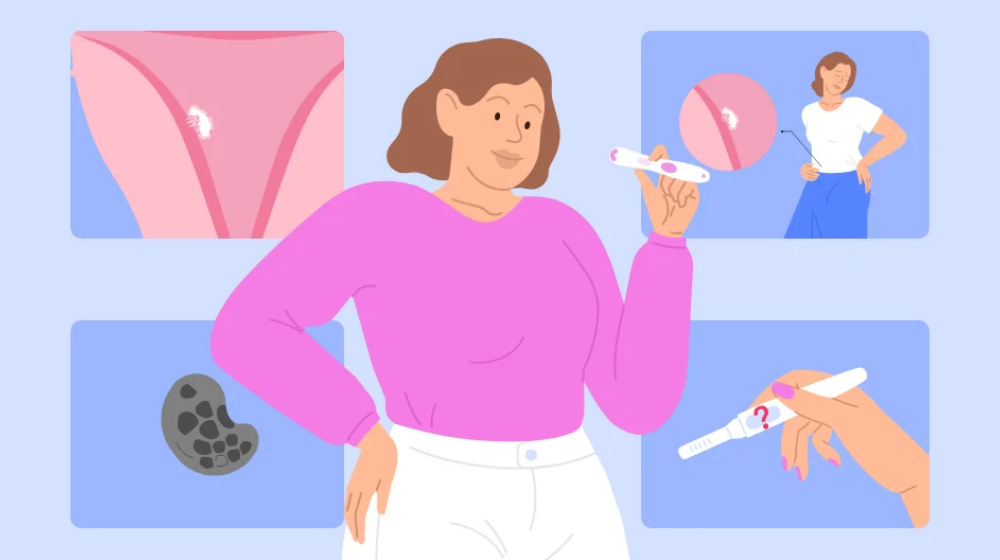
1 Month Pregnancy Symptoms: What to Expect in the First Month
The first month of pregnancy can be confusing because you may already be pregnant without feeling very different. Some women notice a missed period, breast tenderness, unusual tiredness or mild cramping, while others have no obvious symptoms at all.
If you are searching for 1 month pregnancy symptoms, the most important thing to understand is that symptoms alone cannot confirm pregnancy.
Many early pregnancy signs are also similar to premenstrual symptoms. A pregnancy test, followed by appropriate medical care when needed, provides a more reliable answer.
This guide explains what may happen during the first month of pregnancy, which symptoms are common, when to take a pregnancy test, what precautions to consider and which warning signs should not be ignored.
What Does One Month Pregnant Actually Mean?
Pregnancy is medically dated from the first day of your last menstrual period, not from the day fertilisation occurs.
This means something that often surprises patients: during the first approximately two weeks of a medically dated pregnancy, conception usually has not happened yet.
A simplified timeline looks like this:
|
Pregnancy week |
What is usually happening? |
|
Week 1 |
Your last menstrual period begins |
|
Week 2 |
Ovulation approaches or occurs |
|
Week 3 |
Fertilisation may occur, followed by early embryo development |
|
Week 4 |
Implantation may have occurred and your next period may be due |
The exact timing varies because menstrual cycles and ovulation do not occur on the same day for everyone.
Common 1 Month Pregnancy Symptoms
Early pregnancy symptoms vary significantly.
Some women experience several changes. Others notice only one or two. Some feel completely normal during the first month.
1. A Missed Period
A missed period is one of the most recognised early signs of pregnancy, particularly if your menstrual cycles are usually regular.
However, a late period does not always mean pregnancy.
Other possible causes include:
· stress
· significant weight changes
· intense exercise
· hormonal changes
· illness
· certain medications
If your period is late and pregnancy is possible, taking a pregnancy test is more useful than relying on symptoms alone.
2. Breast Tenderness
Hormonal changes during early pregnancy may cause your breasts to feel:
· tender
· swollen
· heavier than usual
· sensitive
· sore around the nipples
Breast tenderness can also occur before a menstrual period, so this symptom cannot confirm pregnancy by itself.
3. Fatigue
Feeling unusually tired is common in early pregnancy.
Your body is undergoing rapid hormonal and circulatory changes, which may contribute to tiredness or increased sleepiness.
Adequate sleep, regular meals and good hydration may help.
4. Nausea
Nausea is commonly associated with pregnancy, although it does not necessarily begin during the first month.
Despite the term "morning sickness," nausea can occur at any time of day.
Some women experience nausea without vomiting, while others do not experience it at all.
5. Mild Cramping
Mild abdominal or pelvic cramping can occur during early pregnancy.
It may feel similar to period cramps.
Mild discomfort is not necessarily concerning, but severe, persistent or one-sided pain should be medically assessed.
6. Bloating
Hormonal changes can affect digestion and may contribute to:
· bloating
· gas
· constipation
· abdominal fullness
These symptoms are also common before menstruation.
7. Frequent Urination
Some women notice that they need to urinate more often during early pregnancy.
If frequent urination is accompanied by burning, fever, pain or unusual-smelling urine, speak to a healthcare professional because a urinary tract infection may need to be ruled out.
8. Light Spotting
Light vaginal spotting can occur in some early pregnancies.
However, not every episode of early bleeding should automatically be labelled "implantation bleeding."
Bleeding can have several causes.
Contact your doctor if bleeding is heavy, persistent, accompanied by pain or causing concern.
9. Mood Changes
Hormonal changes may contribute to:
· irritability
· emotional sensitivity
· anxiety
· mood swings
These changes can also occur as part of PMS and are not specific to pregnancy.
10. Changes in Food Preferences or Smell
Some women become more sensitive to particular smells or suddenly dislike foods they normally enjoy.
Others notice cravings or changes in appetite.
Not experiencing these changes is also completely normal.
Is It Normal to Have No Pregnancy Symptoms in the First Month?
Yes.
Having few or no symptoms during early pregnancy does not automatically indicate a problem.
Every pregnancy is different.
Some women experience nausea, fatigue and breast tenderness very early, while others feel almost no change for several weeks.
The strength or number of symptoms also does not reliably indicate how well a pregnancy is progressing.
When medically necessary, pregnancy progression is assessed using appropriate tests and ultrasound rather than symptoms alone.
Pregnancy Symptoms vs PMS: How Can You Tell the Difference?
One reason early pregnancy can be confusing is that many symptoms overlap with premenstrual syndrome.
|
Symptom |
PMS |
Early pregnancy |
|
Breast tenderness |
Common |
Common |
|
Bloating |
Common |
Possible |
|
Mood changes |
Common |
Possible |
|
Fatigue |
Possible |
Common |
|
Mild cramps |
Common |
Possible |
|
Nausea |
Less typical |
Possible |
|
Missed period |
No |
Often an important clue |
There is too much overlap to reliably distinguish PMS from pregnancy based only on how you feel.
If pregnancy is possible, take a pregnancy test at the appropriate time.
When Should You Take a Pregnancy Test?
Home pregnancy tests detect human chorionic gonadotropin, or hCG, in urine.
Testing too early can sometimes produce a negative result because hCG levels have not yet risen enough to be detected.
For many people, testing from the time the period is due or missed provides a more useful result.
Always follow the instructions supplied with your specific test.
If your test is negative but your period still does not start, you may consider repeating the test after a few days or speaking with your doctor.
Drinking large amounts of fluid immediately before testing can dilute urine, which may make very early pregnancy harder to detect.
What Happens During the First Month of Pregnancy?
A large amount of biological development occurs even though the pregnancy is still extremely small.
After fertilisation, the fertilised egg begins dividing into more cells while moving toward the uterus.
If development continues normally, the developing structure attaches to the uterine lining.
This is known as implantation.
Very early structures that later contribute to the brain and spinal cord also begin developing during the early weeks of pregnancy.
This is one reason folic acid is important before conception and during early pregnancy.
What Should You Do After a Positive Pregnancy Test?
If you receive a positive pregnancy test, contact your gynaecologist, obstetrician or fertility specialist for guidance.
Depending on your circumstances, your doctor may:
· review your medical history
· check your current medications
· discuss folic acid or prenatal supplements
· decide whether blood tests are needed
· advise when an ultrasound may be useful
· review existing medical conditions
· provide advice about food, exercise and lifestyle
Do not stop prescribed medication simply because you have become pregnant unless your doctor advises you to do so.
Some medicines need to be changed in pregnancy, but stopping certain treatments abruptly can also be harmful.
Why Is Folic Acid Important in the First Month?
Folic acid is a form of vitamin B9.
It is especially important before conception and during early pregnancy because it supports development of the neural tube, which later develops into the brain and spinal cord.
The CDC recommends 400 micrograms of folic acid daily for women capable of becoming pregnant because adequate intake can help reduce the risk of neural tube defects.
Some women require a different dose because of their medical or pregnancy history.
Do not assume that a higher dose is better. Ask your doctor which dose is appropriate for you.
What Should You Eat During the First Month of Pregnancy?
There is no single food that determines whether a pregnancy will be healthy.
A varied, balanced diet is more useful.
Depending on your individual nutritional needs, meals may include:
· vegetables
· well-washed fruits
· whole grains
· pulses and beans
· nuts and seeds
· pasteurised dairy products
· well-cooked eggs
· appropriately cooked fish or meat, if included in your diet
· adequate fluids
Food hygiene is particularly important during pregnancy.
Wash fruits and vegetables thoroughly and make sure foods that need cooking are cooked properly.
What Should You Avoid During the First Month of Pregnancy?
Alcohol
The safest approach during pregnancy is to avoid alcohol.
Smoking and Tobacco
Smoking and other forms of tobacco exposure can negatively affect pregnancy and should be avoided.
Raw or Undercooked High-Risk Foods
Raw or inadequately cooked meat, eggs, seafood and other high-risk foods may increase the risk of food-borne infections.
Unpasteurised Products
Unpasteurised milk and certain products made from it may carry harmful bacteria.
Excessive Caffeine
Pregnancy guidance from the NHS recommends limiting caffeine intake to no more than 200 mg per day.
Remember that caffeine can come from:
· coffee
· tea
· cola
· energy drinks
· chocolate
· some supplements
Unprescribed Medicines or Supplements
Do not assume that a product is safe simply because it is labelled natural, herbal or Ayurvedic.
Some herbs and supplements are unsuitable during pregnancy or may interact with medications.
Discuss medicines and supplements with a qualified healthcare professional.
Can You Exercise During the First Month of Pregnancy?
Many women with uncomplicated pregnancies can continue appropriate physical activity.
Walking is a practical option for many people.
Whether you should continue a particular workout depends on:
· your activity level before pregnancy
· your medical history
· pregnancy-related risk factors
· the type and intensity of exercise
You do not necessarily need to stop exercising simply because you are pregnant.
However, seek medical advice if exercise is associated with bleeding, significant pain, faintness or unusual shortness of breath.
What Can an Ultrasound Show at One Month Pregnant?
Very early ultrasound does not always provide a clear answer.
If an ultrasound is performed too early, the pregnancy may simply be too small to see clearly.
The appropriate timing depends on factors such as:
· the date of your last menstrual period
· whether your cycles are regular
· whether conception was natural or through IVF
· hCG results
· pain or bleeding
· previous ectopic pregnancy
· other medical factors
This is why the timing of your first ultrasound should usually be decided with your doctor rather than based on a fixed date found online.
Which Symptoms Need Urgent Medical Attention?
Most early pregnancy symptoms are not emergencies.
However, some warning signs require prompt assessment.
Seek urgent medical care if you develop:
· heavy vaginal bleeding
· severe abdominal or pelvic pain
· significant pain mainly on one side
· fainting
· severe dizziness or weakness
· shoulder pain together with abdominal pain or bleeding
· persistent vomiting that prevents you from keeping fluids down
· high fever
Severe one-sided pelvic pain, bleeding, dizziness or fainting can occur with an ectopic pregnancy, which requires urgent medical assessment.
Do not wait for a routine appointment if these symptoms develop.
First Month Pregnancy Symptoms After IVF
Women who become pregnant after IVF can experience the same early pregnancy symptoms as women who conceive without fertility treatment.
Possible symptoms include:
· breast tenderness
· bloating
· fatigue
· mild cramps
· nausea
· mood changes
However, IVF creates one important complication when interpreting these signs.
Symptoms After Embryo Transfer Do Not Confirm Pregnancy
Progesterone and other medications used during fertility treatment can themselves cause symptoms similar to early pregnancy.
For example:
· breast tenderness
· tiredness
· bloating
· mild cramping
may occur even before pregnancy has been confirmed.
This means symptoms after embryo transfer cannot reliably tell you whether implantation has occurred.
The opposite is also true.
Having no symptoms after embryo transfer does not mean that IVF has failed.
The most reliable approach is to wait until the date advised by your fertility clinic and complete the recommended pregnancy or beta-hCG test.
Avoid taking repeated early home tests unless your fertility specialist recommends them, because very early results can cause unnecessary confusion.
First-Month Pregnancy Checklist
During the first month, consider the following practical steps:
· Take a pregnancy test at an appropriate time.
· Contact your doctor after a positive result.
· Discuss folic acid and prenatal vitamins.
· Review any current medicines with your doctor.
· Eat a balanced diet.
· Follow good food-hygiene practices.
· Stay adequately hydrated.
· Avoid alcohol and tobacco.
· Keep caffeine intake within recommended limits.
· Avoid starting medicines or supplements without advice.
· Seek medical attention for severe pain or significant bleeding.
Frequently Asked Questions
What are the most common 1 month pregnancy symptoms?
Common early symptoms include a missed period, breast tenderness, tiredness, bloating, mild cramping, nausea and increased urination.
However, not every woman experiences these symptoms.
Can you have pregnancy symptoms at one week?
When pregnancy is medically dated, week one begins on the first day of the last menstrual period.
Conception has usually not occurred at this stage, so true pregnancy-related symptoms would generally not be expected.
Can you be pregnant without nausea?
Yes.
Nausea is common during pregnancy, but many women have little or no morning sickness.
Its absence does not automatically indicate a problem.
Does your stomach show at one month pregnant?
A visible pregnancy bump is generally not expected during the first month.
Bloating may make your abdomen feel or look slightly fuller.
Can early pregnancy feel like a period is coming?
Yes.
Mild cramping, breast tenderness, bloating and mood changes can occur both before a period and during early pregnancy.
This is why symptoms cannot reliably distinguish the two.
Is mild cramping normal in early pregnancy?
Mild cramping can occur in early pregnancy.
Severe, persistent or one-sided pain should be assessed by a healthcare professional.
When should I take a pregnancy test after a missed period?
A home pregnancy test can generally be used around the time your period is due or after it has been missed.
Follow the instructions provided with the test.
If it is negative and your period does not arrive, repeat testing or medical advice may be appropriate.
Does spotting always mean implantation?
No.
Light spotting can occur in early pregnancy, but bleeding has several possible causes.
Do not automatically assume that all spotting is implantation bleeding.
Is no symptom after embryo transfer a bad sign?
No.
Some patients experience symptoms after IVF while others do not.
Symptoms are also influenced by fertility medicines, so they are not a reliable way to determine whether implantation has occurred.
When should an IVF patient take a pregnancy test?
Follow the testing date provided by your fertility clinic.
Testing too early can produce confusing or misleading results.
Is bleeding normal in the first month of pregnancy?
Light spotting can occur, but significant or painful bleeding should not be ignored.
Seek medical advice if bleeding is heavy, persistent or accompanied by pain, dizziness or weakness.
Conclusion
1 month pregnancy symptoms can vary considerably from one woman to another.
A missed period, breast tenderness, fatigue, bloating, mild cramping and nausea can occur during early pregnancy, but none of these symptoms confirms pregnancy on its own.
Some women also have almost no symptoms during the first few weeks.
If your period is late, take a pregnancy test at an appropriate time. After a positive result, speak with your healthcare provider about folic acid, medicines, nutrition and appropriate pregnancy care.
If you develop heavy bleeding, severe abdominal pain, significant one-sided pain, dizziness or fainting, seek medical attention promptly rather than waiting to see whether the symptoms resolve.


